
After a storm, fire, or water loss, visible damage may tell only part of the story. A stained ceiling, damaged wall, or smoke-covered room can point to problems that deserve a closer look.
For Georgia homeowners, reviewing the damage and repair estimate is an important step toward a complete claim. An initial insurance estimate may not account for every affected area or all necessary repair work.
When the Surface Looks Dry, Moisture May Remain
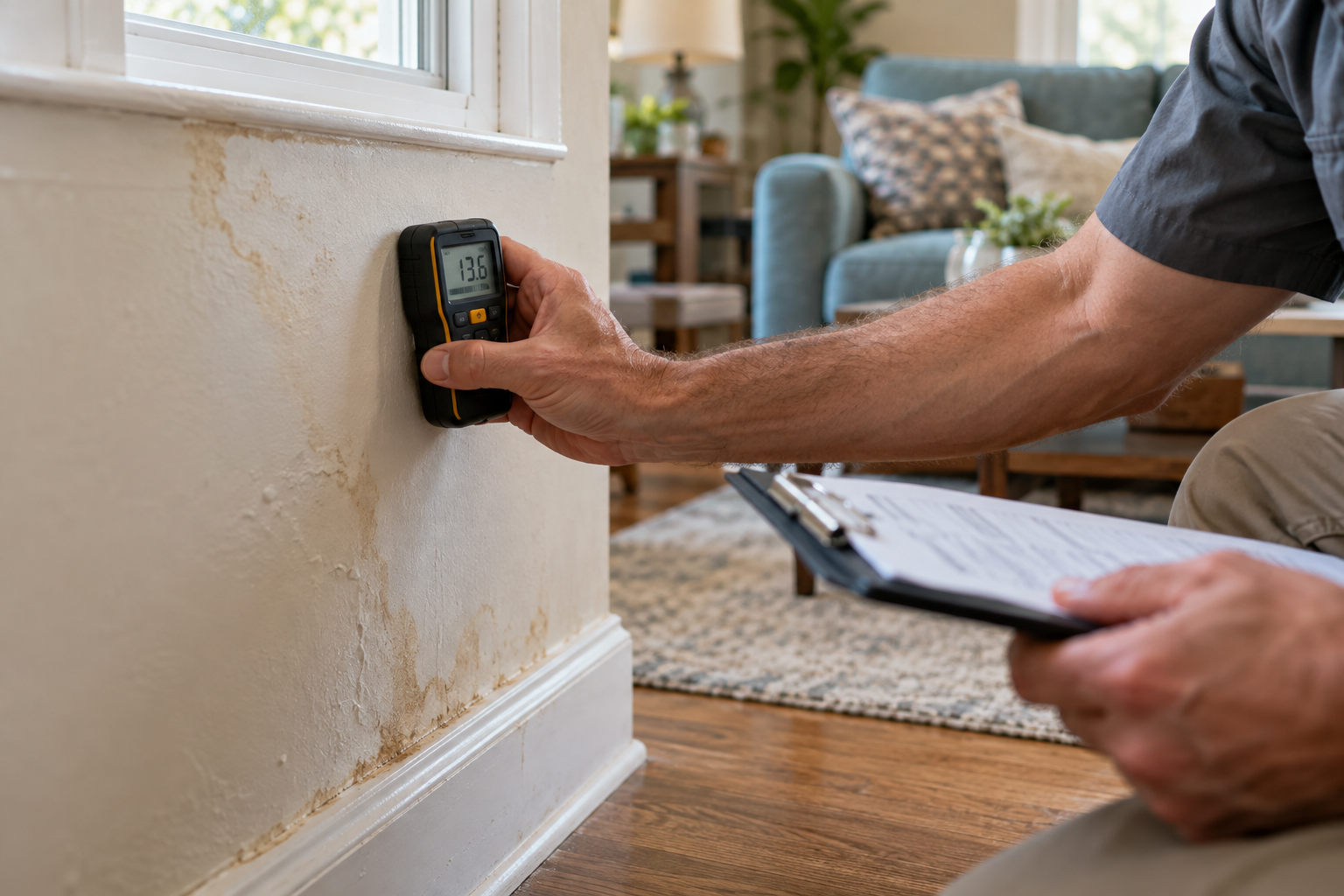
After water damage, walls and flooring can appear dry while moisture remains inside materials or enclosed spaces. EPA flood-cleanup guidance advises against closing wall cavities or refinishing surfaces until they are completely dry inside.
Consider a ceiling stain after a roof leak. Painting may address its appearance, but an inspection may also reveal wet insulation or damage to materials above the ceiling. A qualified restoration professional can help determine the extent of moisture damage and document the drying or repairs needed.
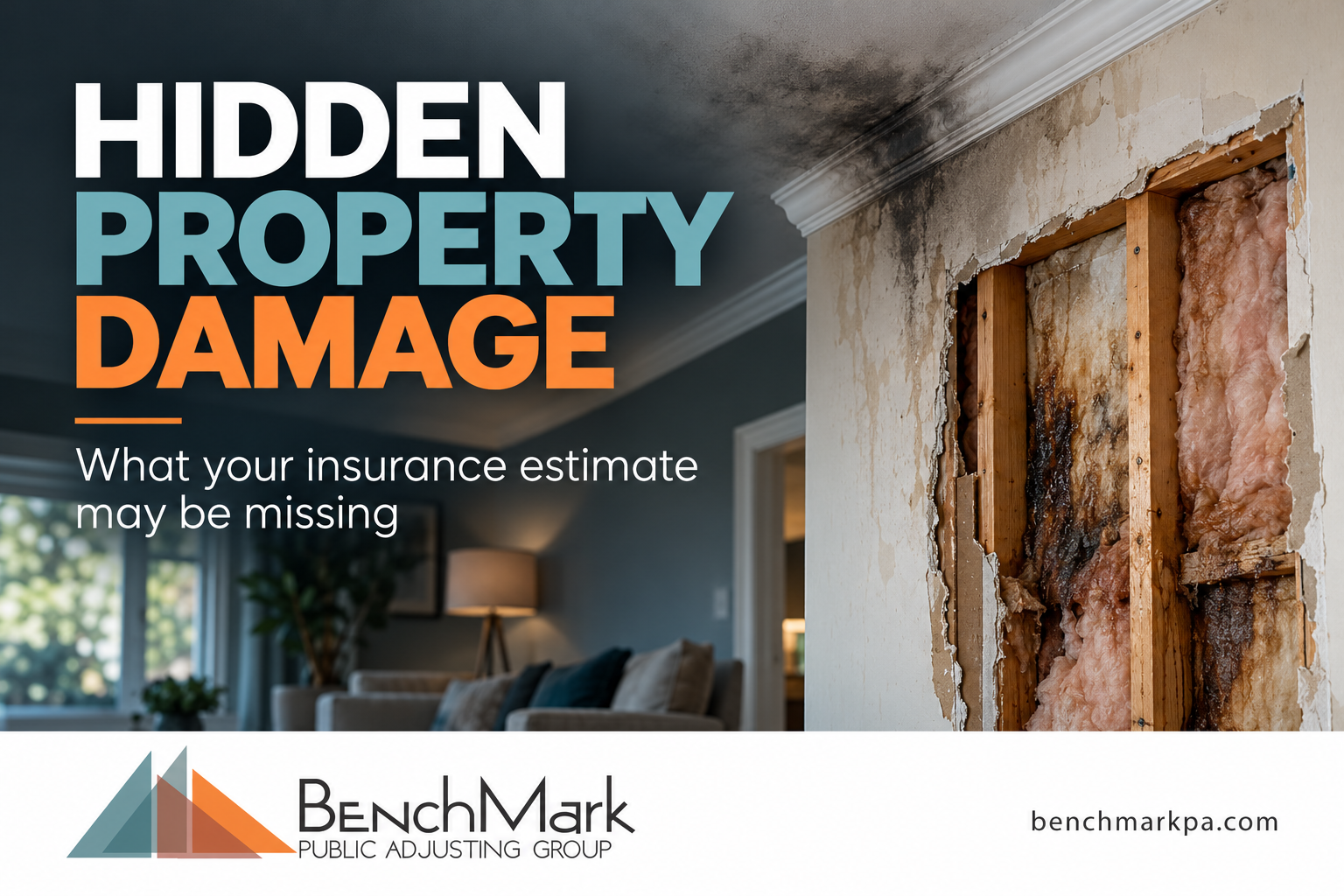
The repair scope should address the documented damage, including affected materials that are hidden from view.
Fire Damage Can Extend Beyond Burned Materials
Visible burn damage is only one part of a fire loss. Smoke and soot can travel beyond the room where the fire started, affecting other rooms, attics, HVAC components, and personal belongings.
Furniture, clothing, and other porous materials may retain residue or odors that require professional evaluation. Depending on the findings, cleaning, restoration, or replacement may be necessary.
If an estimate focuses primarily on burned materials, ask whether other potentially affected areas and belongings were inspected. Documenting the extent of the damage helps support an appropriate repair and restoration scope.
Look Beyond the Total Dollar Amount
The total matters, but so does the work included in the estimate. A careful review can help identify missing materials, incorrect quantities, or overlooked repair steps.
Depending on the loss, questions to ask include:
Which rooms, materials, and belongings were inspected?
Are the measurements and quantities accurate?
Does the estimate include necessary removal, drying, cleaning, and disposal?
Does it include the work needed to reinstall and finish affected materials?
Were potentially affected concealed spaces evaluated?
How should additional damage discovered during repairs be documented and submitted?
Identifying damage does not establish coverage by itself. Payment depends on the cause of loss, your policy’s terms, applicable limits, deductible, and supporting evidence.
What to Do if You Suspect Something Was Missed
Photograph the damage and keep inspection reports, estimates, receipts, and correspondence together. Report the loss promptly, take reasonable steps to prevent further damage, and document temporary repairs.
Georgia’s Office of the Commissioner of Insurance and Safety Fire recommends requesting an itemized explanation of a settlement offer and seeking professional advice if you question its fairness.
Give the insurer an opportunity to inspect the damage before permanent repairs, while addressing urgent protection and safety needs. If additional damage is discovered during repairs, photograph it, obtain supporting documentation, and promptly notify your insurer. Ask how to submit a supplemental estimate for review.
How BenchMark Can Help
BenchMark Public Adjusting Group represents policyholders throughout the insurance claims process. Our team inspects losses, reviews policy coverage, documents damage, prepares claim estimates and supporting information, and negotiates on our clients’ behalf.
If your estimate leaves you with questions, a detailed review can help you understand what has been included and what may need further attention. Our goal is to pursue a fair settlement for losses covered under your policy.
Concerned that your property damage estimate may be incomplete? Contact BenchMark Public Adjusting Group to discuss your claim.
Call: 770-886-2260
Visit: benchmarkpa.com